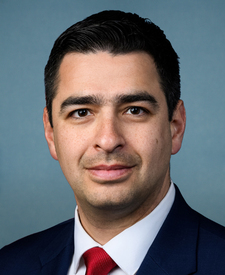
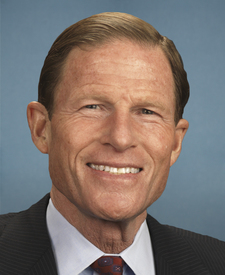
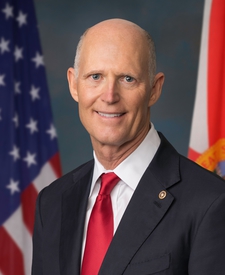
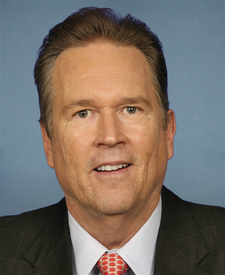
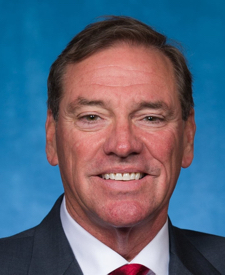
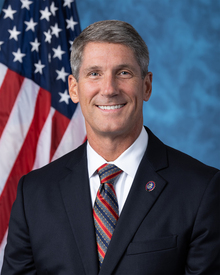
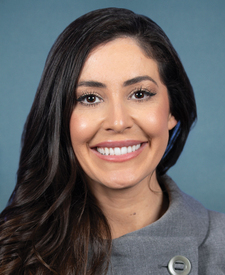
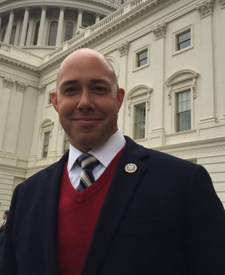
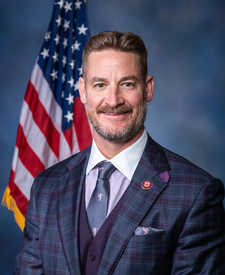
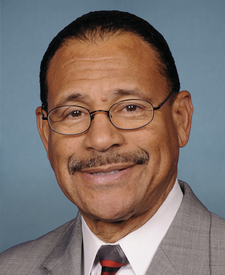
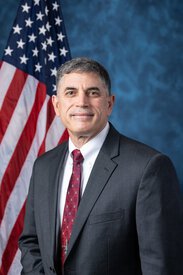
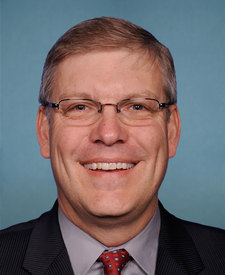
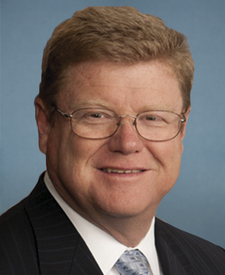
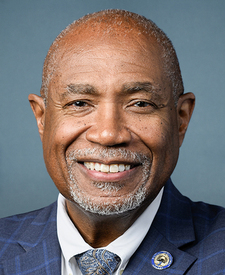
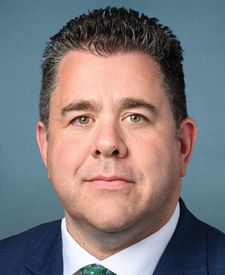
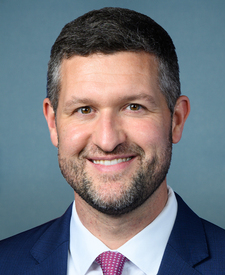
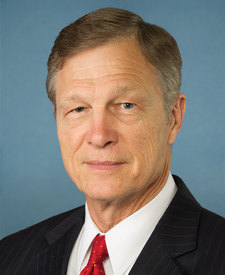
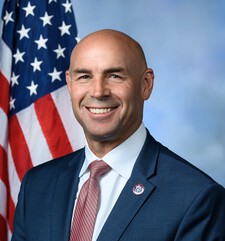
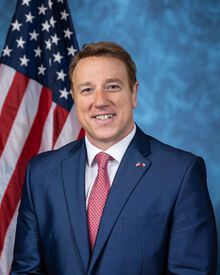
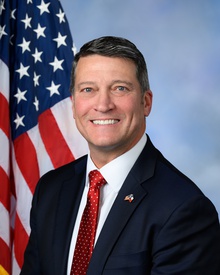
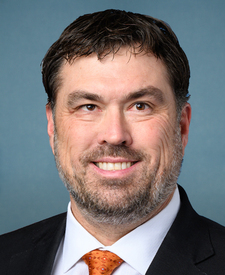
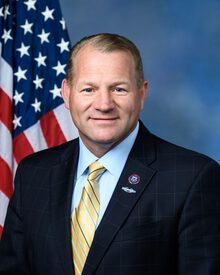
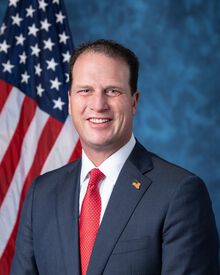
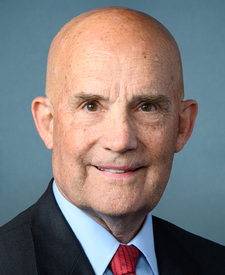
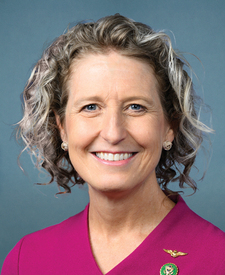
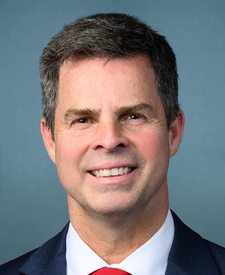
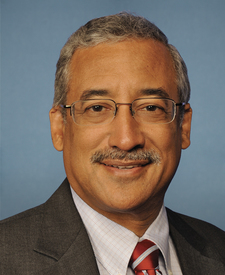
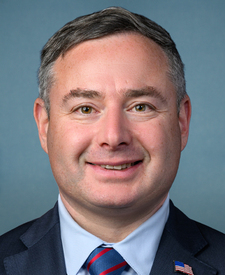
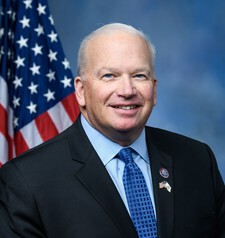
Veterans from both parties still serve in Congress. The 120th session starts January 3, 2027. Who serves now, who won in November, and what it means for VA.
Service, not party, is the point of this list
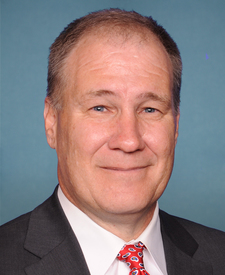
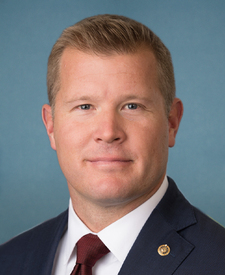
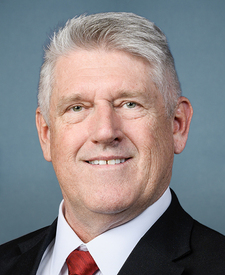
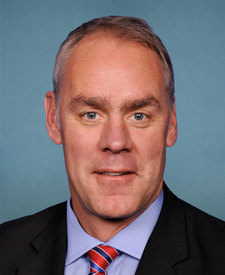
Military families ask the same question after every election: who in Congress has worn the uniform, and will they still take calls about VA claims, housing, and pay? The answer cuts across party lines. Republicans and Democrats both send veterans to Washington. This guide lists them by state and territory with official photos, explains how many found themselves running, gives you practical asks for each office, and covers what changes when the 120th Congress opens on January 3, 2027.
It is not an endorsement of any candidate, party, or bill. Campaign quotes below are how candidates described their own decisions. Election results stay unofficial until each state certifies them. Newly elected members do not have congressional offices until they take the oath. Facts on this page were reviewed as of November 7, 2026.
Who is serving now
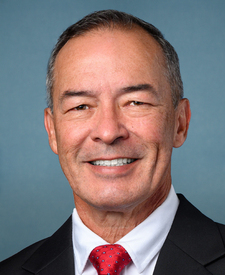
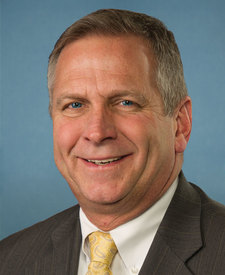
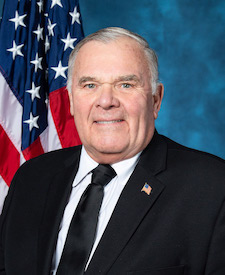
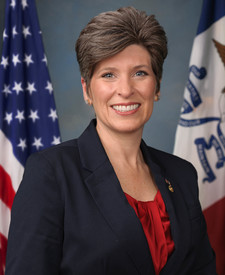
Our Contact Congress directory flags 97 current offices for military service across 36 states and territories: 18 senators, 78 representatives, and 1 delegate. That is a site count from the sources below, not a CRS reprint. The Congressional Research Service counted 98 veterans (18.1% of membership) at the start of the 119th Congress in January 2025. Vacancies, resignations, short tours some tallies omit, and later additions explain small gaps between lists.
House flags follow the House Committee on Veterans’ Affairs list for the 119th Congress plus later public tallies for members added after that list. Senate flags follow Military Times reporting. Sen. Mitch McConnell and Sen. Ed Markey are included here for Army service that some counts omit because it was short.
Current veteran offices flagged on this site (as of November 7, 2026)
| Chamber | Flagged offices |
|---|
| Senate | 18 |
|---|
| House | 78 |
|---|
| Delegate | 1 |
|---|
| Total | 97 |
|---|
Use the photo roster next. Filter to your state, read what you can ask that office to do, copy a script, and call the sitting phone. Keep using those numbers until January 3, 2027.
Who voters sent for January 2027
With Honor Action’s latest post-election update, reported by Spectrum News on November 7, 2026 from data as of the morning of November 6, said at least 70 veterans were elected that week — 40 Republicans and 30 Democrats. They join 10 veteran senators who were not on the 2026 ballot, for at least 80 veterans in the 120th Congress. With Honor also counted at least 16 freshman veterans and at least 12 women veterans, a record, up from nine in the current Congress. Several races with veteran candidates were still too close to call as of November 6.
An earlier With Honor release on November 4 (8:30 a.m. ET) had put the floor at 69 Election Night winners and about 79 seats including holdovers, with a projected mix of about 46 Republican and 33 Democratic veterans overall. Counts moved as more races were called. Military Times published lower early tallies the same week because it counted only races a named news organization had called. The final certified number will settle after recounts, ranked-choice rounds, and state certifications.
Post-election veteran tallies (still provisional)
| Source and date | What it says |
|---|
| With Honor via Spectrum News (Nov. 6 data / Nov. 7 report) | At least 70 elected (40 R, 30 D) + 10 holdover senators = at least 80; ≥16 freshmen; ≥12 women veterans; some races still open. |
|---|
| With Honor (Nov. 4, 8:30 a.m. ET) | At least 69 Election Night winners; about 79 with holdovers; projected ~46 R / 33 D; ≥11 women veterans; 9 races uncalled. |
|---|
| CRS start of 119th (Jan. 2025) | 98 veterans (about 18%). Share for the next Congress still tracks near about 15% even if remaining races go to veterans. |
|---|
Two trends matter more than any single seat:
- A smaller share overall. Even with at least 80 seats, With Honor still describes veterans as about 15% of the next Congress, down from roughly 19% at the start of the current Congress — near a modern low.
- A more balanced party mix among veterans. Among those elected as of Nov. 6, With Honor’s split was 40 Republican and 30 Democratic winners, much closer than the roughly 72 / 28 mix in the 119th. Women veterans set a record at 12+.
The table below is only newly elected or returning veterans with a named race call on this site — not every veteran who will serve. Re-elected incumbents stay in the photo roster above. None of these winners has a Washington phone until January 3, 2027.
Newly elected or returning veterans on this site (named race calls as of November 7, 2026)
| State | Winner | Party | Office | Service |
|---|
| Alabama | Barry Moore | Republican | U.S. Senate | Army National Guard, Army Reserve |
|---|
| Arizona | JoAnna Mendoza | Democrat | 6th District | Navy, Marine Corps |
|---|
| Colorado | Jessica Killin | Democrat | 5th District | Army |
|---|
| Connecticut | Luke Bronin | Democrat | 1st District | Navy |
|---|
| Iowa | Chris McGowan | Republican | 4th District | Air Force, Iowa Air National Guard |
|---|
| Kentucky | Ed Gallrein | Republican | 4th District | Navy |
|---|
| Kentucky | Zach Dembo | Democrat | 6th District | Navy |
|---|
| Missouri | Fred Wellman | Democrat | 2nd District | Army |
|---|
| New Jersey | Adam Hamawy | Democrat | 12th District | Army |
|---|
| New Jersey | Rebecca Bennett | Democrat | 7th District | Navy, Air National Guard |
|---|
| New York | Cait Conley | Democrat | 17th District | Army |
|---|
| North Carolina | Richard Ojeda | Democrat | 9th District | Army |
|---|
| Ohio | Kristina Knickerbocker | Democrat | 10th District | Air Force |
|---|
| Texas | Jace Yarbrough | Republican | 32nd District | Air Force |
|---|
| Virginia | Elaine Luria | Democrat | 2nd District | Navy |
|---|
Alaska’s Senate contest between Marine veteran Sen. Dan Sullivan and Mary Peltola was still uncalled as of November 7. First-choice tallies remained close; ranked-choice tabulation is scheduled for November 18. Sullivan remains the senator to call until a successor is sworn in. With Honor said other veteran races were still open as of November 6.
How they found themselves running
With Honor Action reported on June 9, 2026 that it had tracked 752 veterans running for federal office in the 2026 cycle across all 50 states as of June 1—up 47% from 2024—with about 41% post-9/11 veterans and a surge of women veterans candidates. Only a fraction win. By Election Day it counted 258 veterans on the general-election ballot. The paths into the race look similar even when the party labels do not.
Money and networks still make entry hard. Veterans often leave home for years of service, then settle somewhere without the fundraising circles that career politicians already have. Groups such as With Honor recruit and train candidates from both parties who take a civility-and-integrity pledge.
Common paths, both parties
- The oath did not feel finished. Arizona Democrat JoAnna Mendoza, a Navy and Marine Corps veteran, told interviewers she came home from Iraq and Afghanistan still needing to serve, worked in a House office helping veterans get benefits, then moved into nonprofit work for military families before running in Arizona’s 6th District. Kentucky Republican Ed Gallrein, who describes a career as a Navy SEAL officer before returning to farming, framed his House race as service above self—the same reason he said he joined under Reagan.
- VA care and veterans used as symbols. Missouri Democrat Fred Wellman, a West Point graduate and Army helicopter pilot who has said he completed four combat tours, wrote that he ran after watching VA staffing cuts and patriotic talk without follow-through in his district.
- Family still in uniform. Iowa Republican Chris McGowan, flagged here for Air Force and Iowa Air National Guard service and a former Siouxland Chamber president, ran for an open 4th District seat after Rep. Randy Feenstra left for a governor race. In campaign coverage he tied the race to five adult children then serving in uniform.
- Rematch and unfinished district work. Virginia Democrat Elaine Luria, a retired Navy commander, announced a return to the 2nd District after losing in 2022. In announcing, she cited chaos in Washington and veterans issues in a heavy military district.
- A direct ask to serve again. Some veterans enter after a recruiter, mentor, or national figure tells them the seat needs them. Gallrein has publicly described a late-2025 White House conversation that ended with a push to run. Others come through With Honor’s vetting and training pipeline, which exists to lower the barrier for post-9/11 veterans who would otherwise never raise a first dollar.
What this means for the 2027 session — and what to ask for
The practical question is not the raw headcount. It is who holds the gavels and which bills clear. Use the scripts in the roster above, then watch these five fights. Air & Space Forces reported that Democrats took majorities in both chambers; Alaska’s Senate race and other contests were still counting as of November 7, so treat final chamber math as provisional until certification.
1. Call the sitting office through January 2
Casework does not move with a race call. VA claim help, military records requests, and constituent services stay with the current senator or representative until the successor is sworn in. The Capitol switchboard is (202) 224-3121 if a direct line fails.
2. Committee leadership will reset with the majorities
House and Senate control decide who chairs Armed Services and Veterans’ Affairs. Ranking members and chairs change hearings, VA oversight letters, and which amendments reach the floor. Veteran members on both sides often sit on those committees, but committee seats and gavels follow party leadership, not a veteran label alone.
3. Finish the VA disability COLA in the lame duck
Social Security announced a 3.6% COLA on October 14, 2026. Military retired pay follows a separate statute each December 1. VA disability compensation, dependent pay, the clothing allowance, and most DIC payments need the annual COLA act. As of early November 2026, H.R. 8552 and S. 4487 had not become law. See the 2027 COLA guide. Copy the COLA script above and ask for bill status this week.
4. Finish the FY2027 NDAA
The National Defense Authorization Act is where basic pay language, housing health standards, child care dollars, and many PCS-related policies are bargained. House and Senate versions were still apart on the shape of the January 1, 2027 pay raise, and nothing is final until a conference bill is signed. Read the FY2027 NDAA explainer, then use the NDAA script.
5. Treat bipartisan veterans as a bridge, not a substitute
Groups such as With Honor’s For Country Caucus organize veteran members across party lines. That can help on narrowly drawn benefits bills. It does not replace calling the two senators and one representative who owe you constituent service. Lead with the problem, the agency, and the deadline.
What to do this week
- Copy a script from the roster (COLA, NDAA, or casework).
- Filter to your state, open the member card, and tap Call. Use the current office until January 3, 2027.
- If you have a stuck claim, use the casework script and ask for a Privacy Act form the same day.
- Bookmark Contact Congress at /resources/congress for live phones after you hang up.
- Track Armed Services and Veterans’ Affairs chairs once majorities are clear.
Sources include the Clerk of the House, Senate.gov contact data, the House Committee on Veterans’ Affairs, the Congressional Research Service (R48535), Military Times, With Honor Action (Nov. 4 release and Nov. 6 update via Spectrum News, Nov. 7), Air & Space Forces, Associated Press race calls, CBS, NBC, plus candidate interviews from Copper Courier, the Kansas City Star, NBC News, Radio Iowa, the Des Moines Register, and the NKyTribune. Official portraits are public-domain congressional photos (unitedstates/images), with initials placeholders where a file was not yet published. Counts will change as remaining races are certified.