The Short Version
Air Force Birthday is September 18. That date marks the 1947 stand-up of the United States Air Force as a separate service. In 2026 the Air Force turns 79.
- July 26, 1947: National Security Act creates the Department of the Air Force.
- September 18, 1947: First Secretary of the Air Force is sworn in — the official birthday.
- After 1947: Berlin Airlift, Korea jet combat, global mobility, precision strike, ISR, cyber, and space support reshape the force.
- Allies: NATO basing, AWACS, Red Flag, and coalition campaigns make partner flying normal business.
- December 20, 2019: Congress creates the U.S. Space Force inside the Department of the Air Force.
For the wider service timeline, see the Air Force section of the branch history guide.
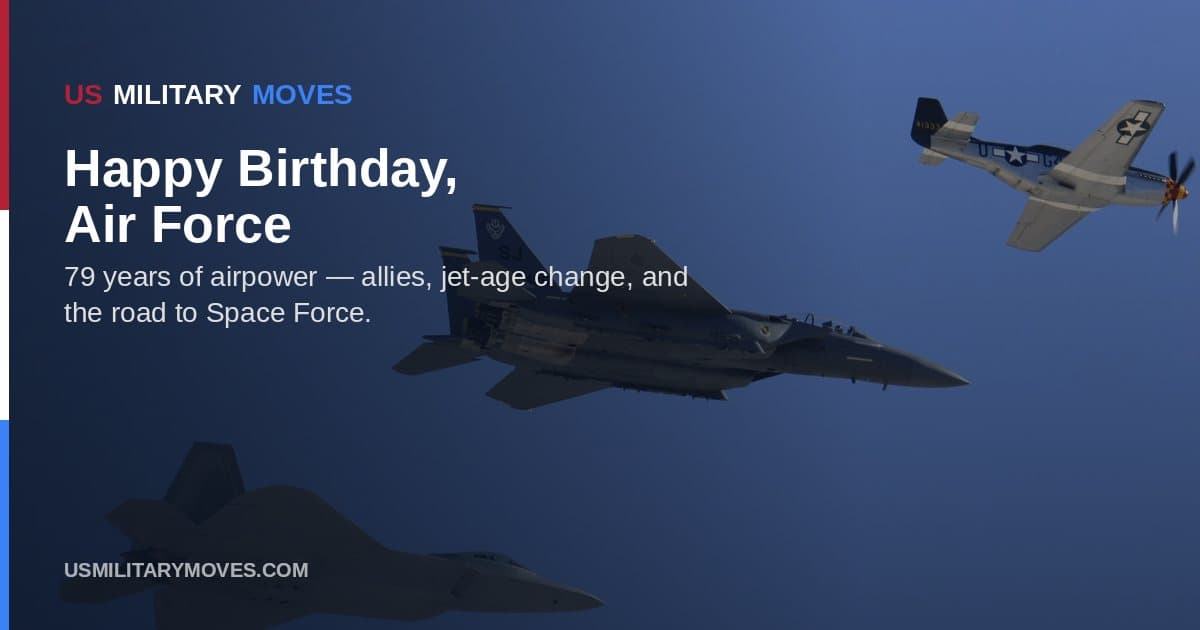
Happy Birthday, Air Force
Happy Birthday to the United States Air Force, and to every Airman, Guardsman, Reservist, civilian, spouse, and kid who grew up around flight lines, quiet hours, and PCS calendars.
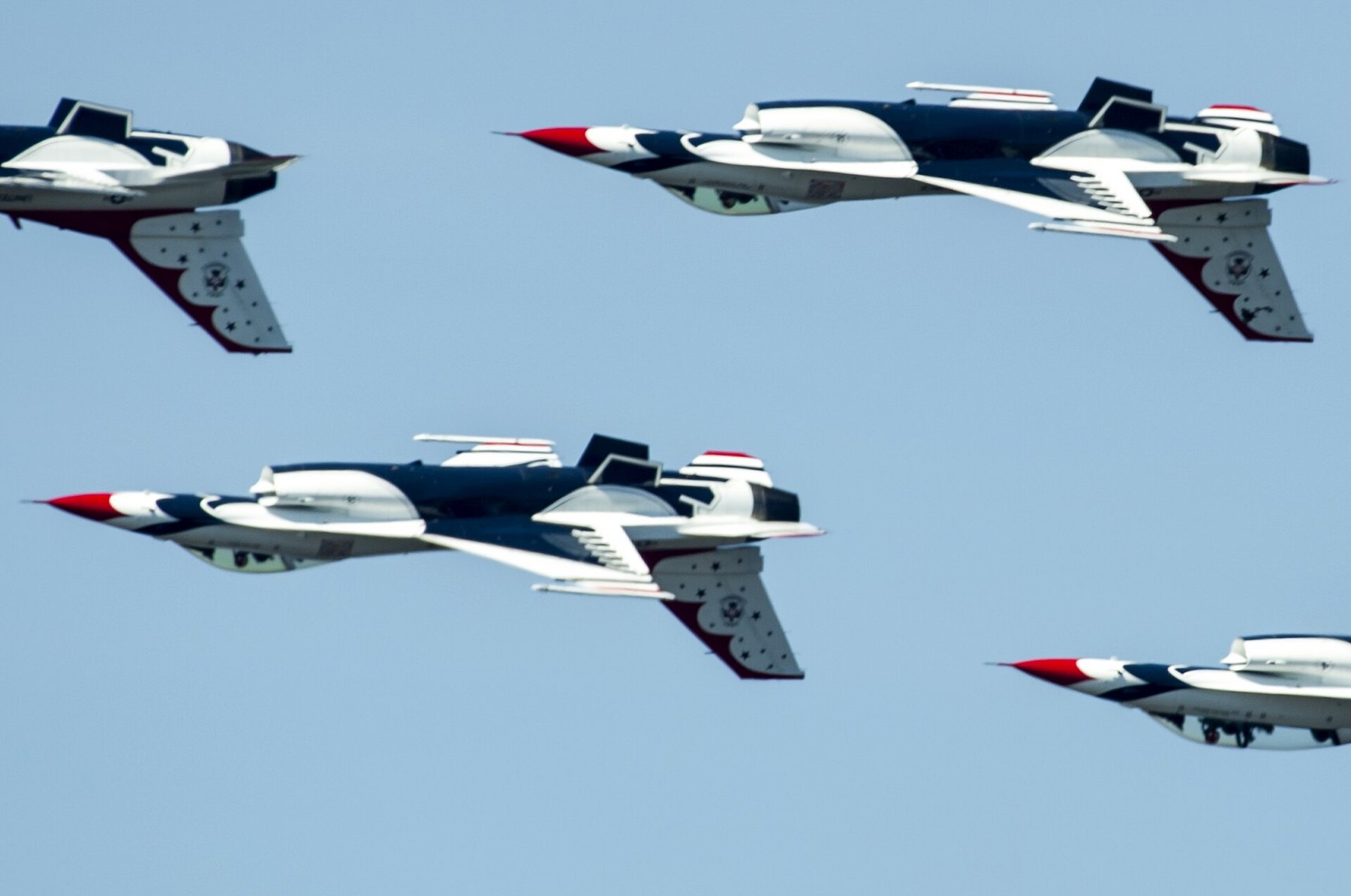
September 18 is not only cake and blue shirts. It marks the day in 1947 when American airpower became its own service.
The Birthday Date, Straight
- July 26, 1947: President Harry S. Truman signs the National Security Act, creating the Department of the Air Force and establishing the United States Air Force as a separate service.
- September 18, 1947: W. Stuart Symington is sworn in as the first Secretary of the Air Force. That is why the birthday sticks to September 18.
- September 26, 1947: Gen. Carl A. Spaatz becomes the first Chief of Staff of the Air Force.
- What transferred in: Army Air Forces, Army Air Corps, and Air Force Combat Command moved under the new service.
Before There Was an Independent Air Force
Military flying in America started long before 1947. It grew through Army organizations that kept outgrowing their lane:
- Early Signal Corps aviation and the Aeronautical Division
- Air Service after World War I
- Army Air Corps between the wars
- Army Air Forces in World War II, when strategic bombing, fighter escort, and airlift made airpower impossible to treat as a niche support arm
Leaders like Gen. Henry "Hap" Arnold argued for independence for years. World War II, and the early nuclear age, finally convinced political leadership that airpower needed a co-equal seat beside the Army and Navy.
How the Force Changed After 1947
Independence was the starting gun, not the finish line. The young Air Force had to prove it could do more than inherit WWII airplanes.
Berlin Airlift: airpower as logistics
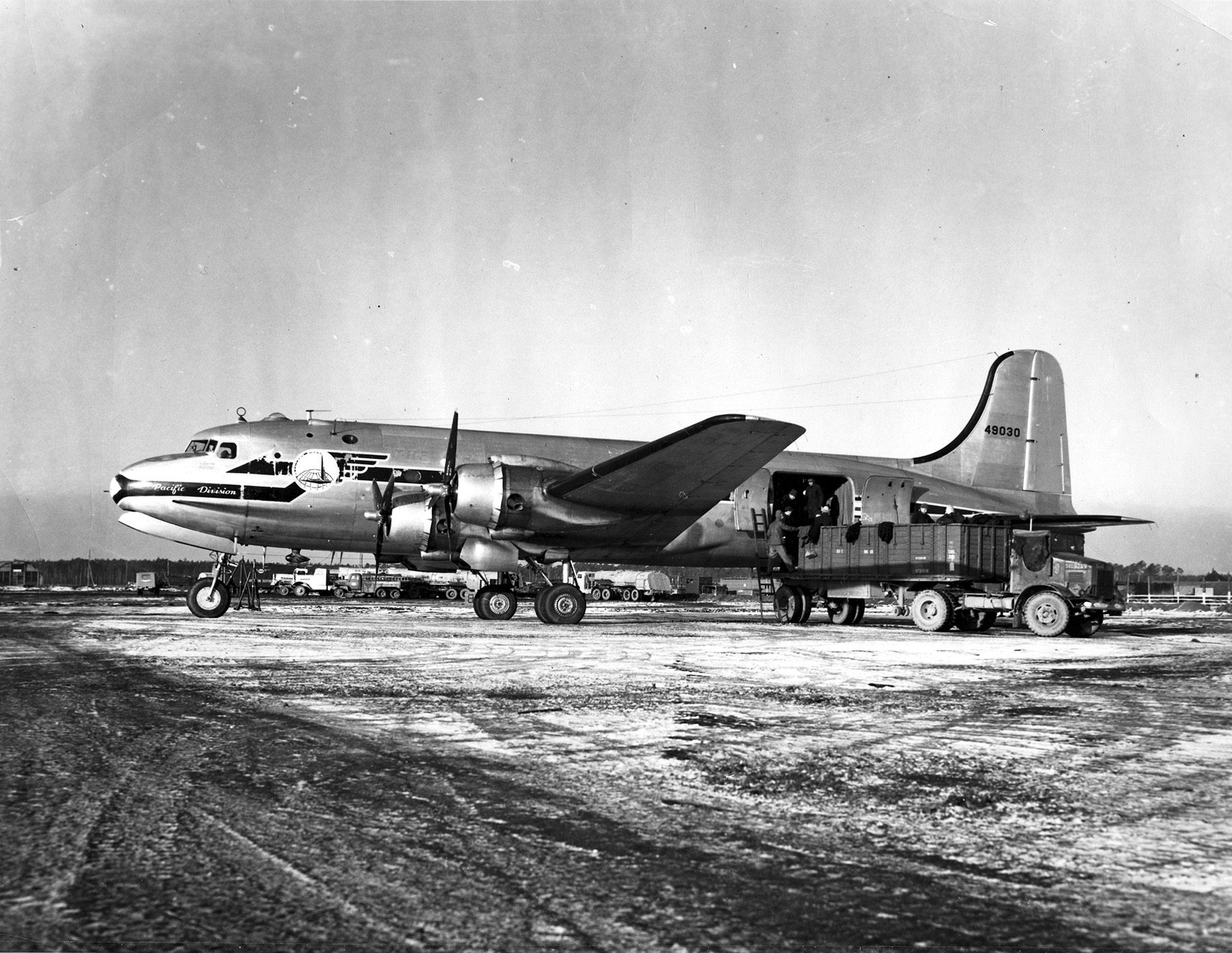
In 1948 and 1949, American and allied aircrews kept West Berlin alive when ground access was cut off. C-54 Skymasters and partner aircraft turned airlift into a strategic tool. That mission still echoes every time mobility Airmen talk about getting beans, bullets, and people to the right place fast.
Korea and the jet age
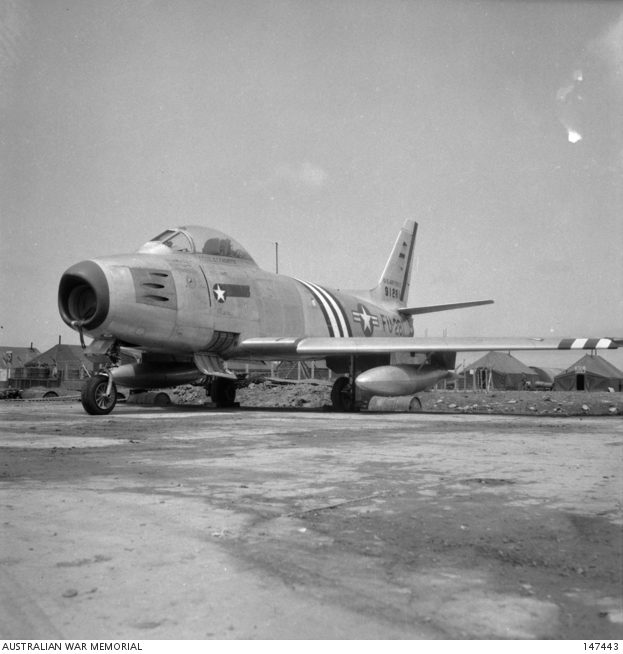
The Korean War shoved the service into large-scale jet combat. F-86 Sabres over MiG Alley became the public face of that shift, while airlift, interdiction, and close air support kept rewriting tactics under fire.
Deterrence, precision, and global reach
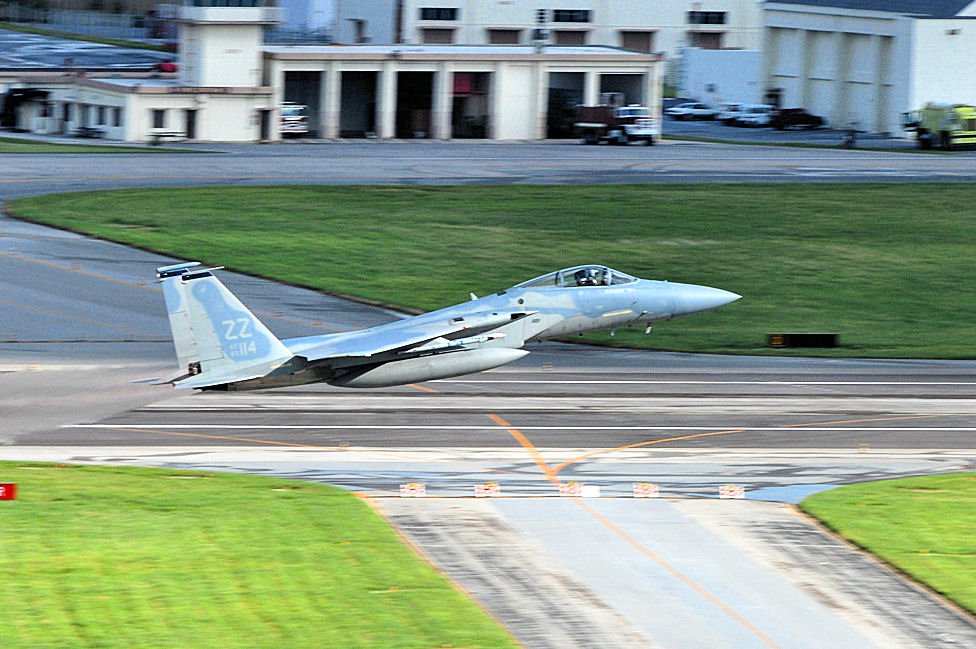
Through the Cold War and after, the force layered nuclear deterrence, tankers, strategic airlift, stealth, precision munitions, ISR, cyber, and space support on top of the fighter story. Multirole aircraft like the F-15 family became workhorses for both homeland defense and overseas contingencies.
Working With Other Air Forces
The U.S. Air Force did not grow up alone. From the Berlin Airlift onward, coalition flying has been normal business.
- NATO airpower: After 1949, U.S. Air Forces in Europe became a long-haul commitment to allied defense, shared basing, and combined air planning.
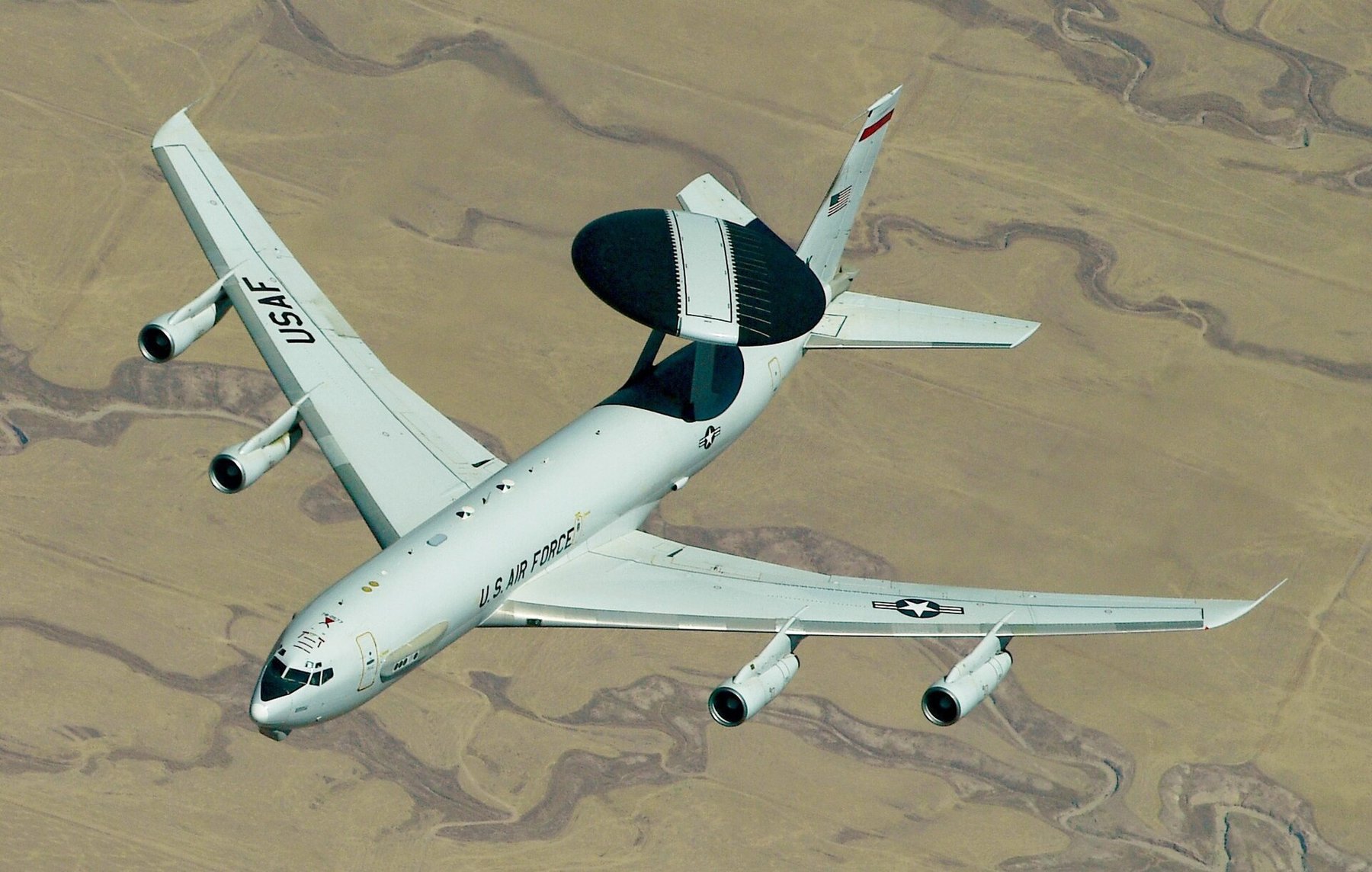
- Shared sensors: NATO E-3 AWACS crews mix allied airmen in one mission set, turning early warning into a multinational product.
- Schoolhouses of interoperability: Exercises such as Red Flag at Nellis force U.S. and partner aircrews to fight as a package, not as separate national sorties that happen to share a sky.
- Coalition campaigns: From Desert Storm to later contingencies, USAF planning assumed partner tankers, fighters, ISR, and basing would be part of the kill chain.
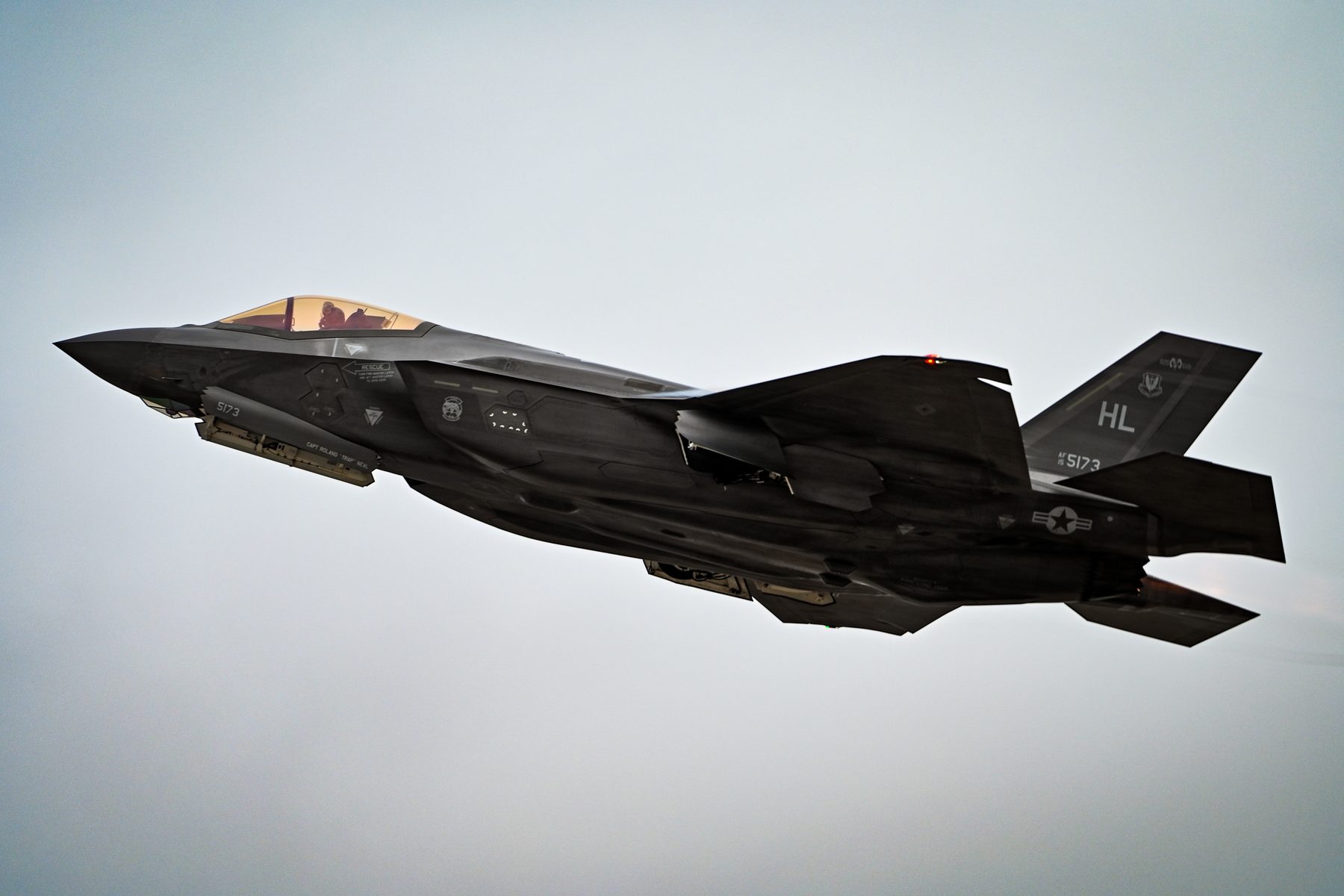
For families, that collaboration is not abstract. It shows up as USAFE assignments, NATO staff tours, partner-nation exercises, and spouses who learn another host-nation school system while the member flies with a multinational package.
How Space Force Grew Out of the Air Force
American military space work is older than the Space Force. For decades, Air Force organizations acquired, launched, operated, and defended space systems that the joint force depended on for navigation, missile warning, communications, weather, and timing.
By the late 2010s, Congress and DoD concluded that space needed a service focused only on that domain. The Fiscal Year 2020 National Defense Authorization Act created the U.S. Space Force on December 20, 2019, the first new U.S. armed service in 73 years.
- Separate service: Space Force organizes, trains, and equips space forces and presents them to combatant commands.
- Same department: It sits inside the Department of the Air Force under the Secretary of the Air Force, much like the Marine Corps sits with the Navy.
- Transfer, not instant clone: Units, billets, and missions moved from Air Force and other DoD space organizations into Space Force over time.
- Shared life: Guardians and Airmen still share many installations, medical systems, schools, and family support networks.
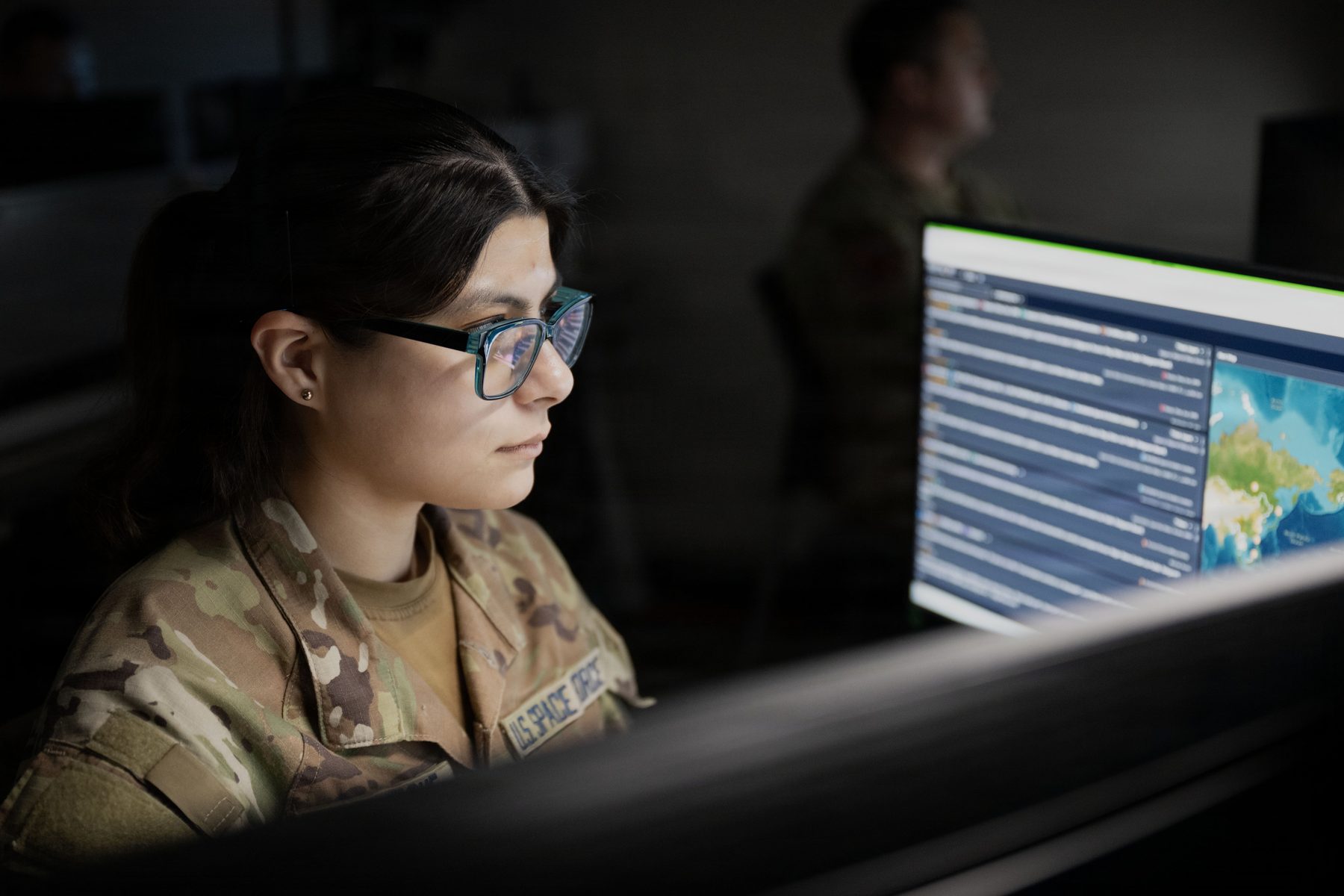
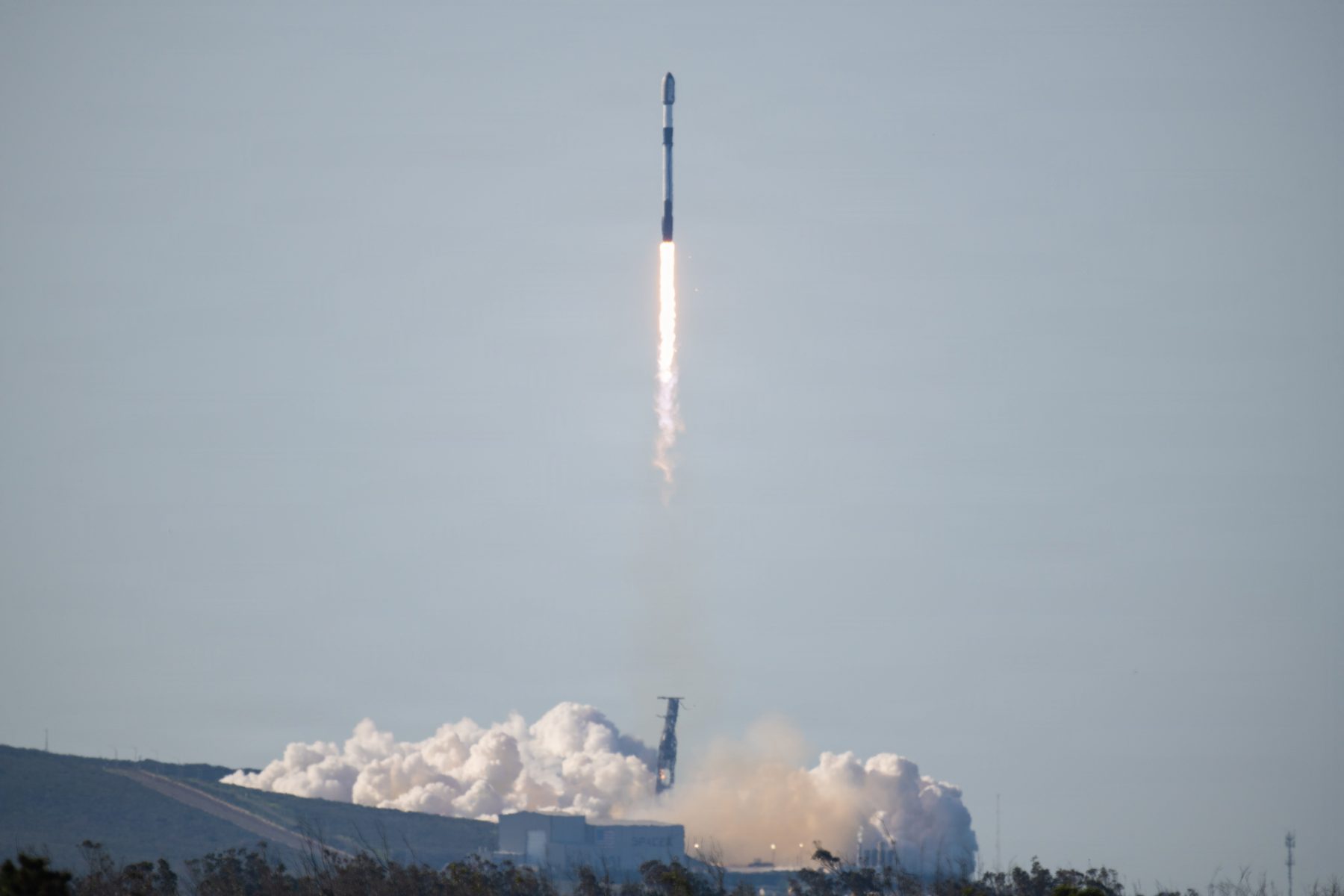
So when Air Force birthday and Space Force birthday conversations overlap in the same household, that is not confusion. It is accurate history. One service incubated the mission. The other was built to specialize in it. Read the Space Force section in the branch history guide for the wider timeline.
How Families Usually Mark the Day
On base you will see birthday runs, cake cuttings, heritage displays, and squadron photos. Off base it is quieter: a blue shirt at dinner, a text to a tech-school roommate, a spouse remembering the first assignment.
If you are mid-PCS this week, you can still mark it. Pull the base guide for your gaining wing, check housing math in the BAH calculator, and use the PCS planner so birthday week does not become a paperwork ambush.
Why the Birthday Still Matters
September 18 measures the day American airpower got an independent institution. It also measures everyone who made that institution usable: maintainers on mid-shift, spouses running the house through a TDY stack, kids changing schools again, veterans who kept the mission through harder decades than this one, and Guardians who carry forward space missions the Air Force grew first.
Happy Birthday, Air Force. Aim High. Then call your people.
What To Read or Do Next
- Compare all six services in the branch history guide.
- Browse base guides if a new wing or Space Force installation is on the orders.
- If housing is the next fight, read buy, rent, or live on base.
- If the household goods truck is the stressor this season, see the Personal Property Activity PCS guide.